
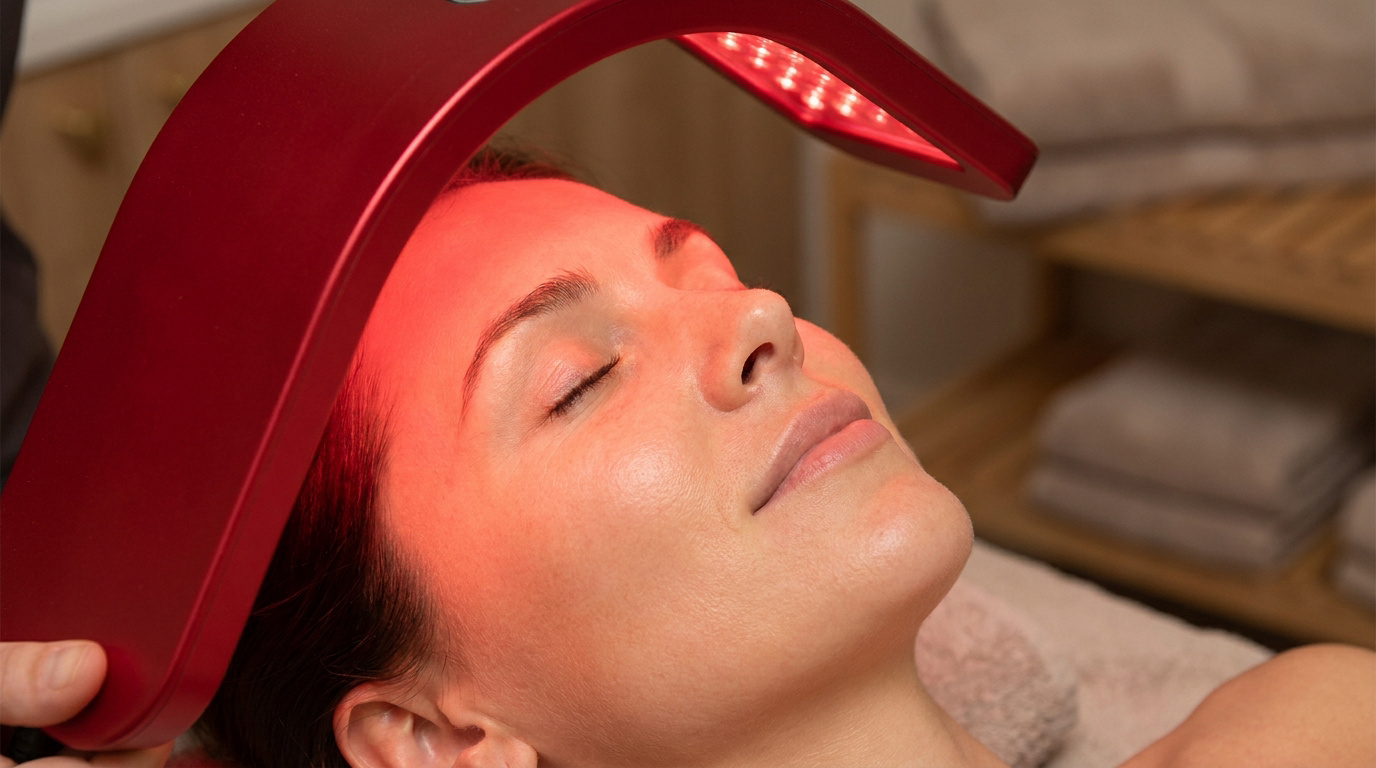
Key takeaways: LED mask photobiomodulation stimulates your fibroblasts to boost collagen and elastin production . This non-invasive treatment reduces wrinkles by 26 to…
Read moreMy name is Clément Humbert. I spent years working in a hair salon before taking over this magazine from Saint-Étienne. In Fashion I look at the clothes we actually wear, and in Beauty I cover skin care actives, hair, make-up, nails and sun protection.
Key takeaways: LED mask photobiomodulation stimulates your fibroblasts to boost collagen and elastin production . This non-invasive treatment reduces wrinkles by 26 to…
Read moreIn fashion, I read the composition label and check the seams before I even look at the style. A tracksuit can leave the gym and work in town if the cut is clean and the fabric keeps its shape after a few washes: a slightly heavier knit, ribbed cuffs that do not slacken, trousers that fall straight instead of bunching at the ankle. I look at how to pair it with plain trainers, a simple coat or a crisp white top, and at the occasions where it simply does not belong. The same reasoning applies to the rest of the wardrobe: a piece earns its place when it is comfortable, easy to care for and still looks right after a full season of wear.

Would you like to adopt tracksuits in style, but are unsure which model to choose or how to wear them? Long reserved for gyms, tracksuits are now a must-have for women’s…
Read moreBeauty takes up most of the magazine, and I approach it through ingredients and gestures. You will find vitamin C, salicylic acid, hyaluronic acid and collagen here, with the order in which to apply them and the combinations worth avoiding. I write about LED masks and what they can realistically do, about highlighters and where to place them, about chrome nails, avocado oil for the hair and sun sticks for days outdoors. I also answer more delicate questions, such as hair removal during pregnancy. Whenever a reaction persists or a symptom worries you, a dermatologist or a doctor should come before any home trial.

Key takeaway: Black Friday 2024 features massive 50% discounts on luxury fragrances, including Versace Eros Flame for $51 and Davidoff Cool Water for $33. 50. Shoppers…
Read moreYou’ve heard about the benefits of vitamin C for the skin, but you’re still unsure about the best way to incorporate it into your vitamin C routine. vitamin C routine ?…
Read moreSalicylic acid is an increasingly popular ingredient in facial skincare products, but there are still many questions about its effects and how to use it. In this…
Read more
For years I saw men and women sit down in my chair wanting to lighten their hair, hide dandruff or understand why their scalp felt tight after a colour. I learned to ask questions before picking up a brush, to read an ingredient list properly and to be wary of anything that promises to change everything in a week.
Here I share what those years taught me and what I check before every article, with nothing to sell. My advice remains that of an editor: for a skin condition, a scar that changes, hair loss or a concern during pregnancy, a dermatologist, a doctor or a pharmacist is the right person to ask.
Clément