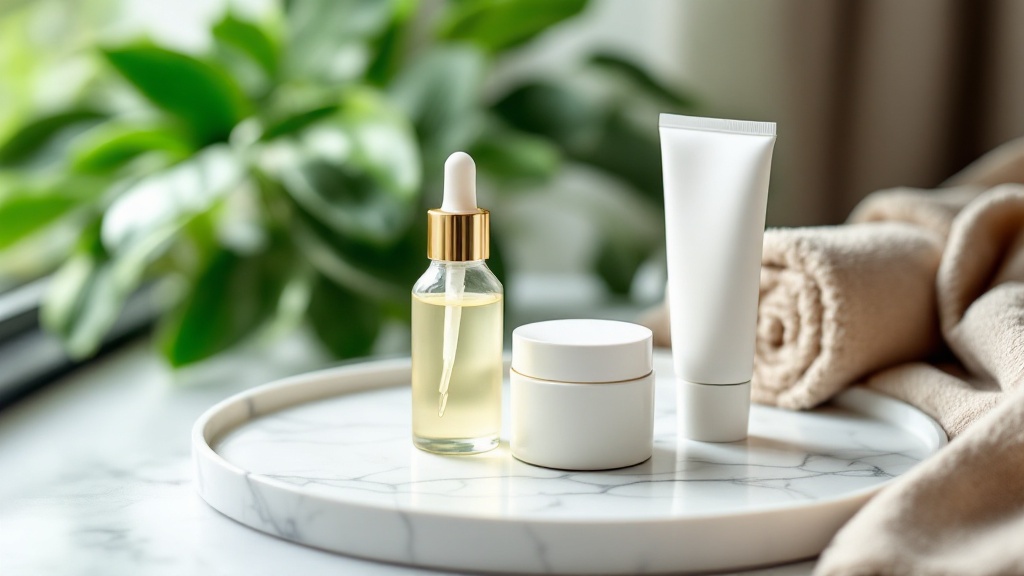


You’ve invested in a hyaluronic acid serum and are wondering what other skin care products to combine it with to maximize its benefits? While hyaluronic acid is already an excellent moisturizer capable of retaining up to 1000 times its weight in water, its effectiveness can be greatly enhanced by combining it with the right products. In this article, discover the best possible combinations for your serum, from moisturizers to specific actives like vitamin C, to create a truly effective skincare routine.

Why combine a hyaluronic acid serum with other products?
Hyaluronic acid is most effective when properly used and combined with other products. The first thing to know is that it should be applied to slightly damp skin. This little trick ensures better absorption and optimizes its moisturizing properties.
But that’s not all. Hyaluronic acid can be combined with different active ingredients to meet your specific needs. For example, if you want to fight the signs of aging, you can combine it with vitamin C. For skin with imperfections, a combination with niacinamide gives excellent results.
Here are the main reasons to combine your serum: – To seal in moisture with a moisturizing cream – To target several issues at once – To reinforce the effectiveness of other active ingredients thanks to well-moisturized skin
The important thing is to choose combinations that correspond to your needs. Dehydrated skin will need a ceramide-rich cream after the serum. Mature skin may prefer a duo with peptides. It all depends on what you want to improve.
But which products work best with a hyaluronic acid serum to maximize its benefits?
Which products should be used with a serum containing this moisturizing molecule?
Hyaluronic acid is an excellent ally for your skin, but don’t hesitate to combine it with other active ingredients to optimize its moisturizing effects. Certain ingredients can act in synergy with this serum and reinforce its effectiveness, while others can bring additional benefits to your routine. Let’s discover together the best possible combinations to get the most out of your hyaluronic acid serum.
Which cream to use after the hyaluronic acid serum?
Applying a moisturizing cream after your hyaluronic acid serum is not an option, it’s a necessity. This step helps seal in the moisture provided by the serum and reinforce your skin’s barrier for the long term.
Choose a cream rich in ceramides or peptides. These ingredients are particularly effective in complementing the action of hyaluronic acid. Ceramides, naturally present in your skin, help maintain its structure and prevent dehydration. As for peptides, they reinforce the cutaneous barrier while providing a plumping effect.
For optimal application, follow these simple steps:
- Apply your serum to slightly damp skin
- Wait a few seconds for it to penetrate
- Gently massage in your moisturizer
Don’t hesitate to adapt the texture of your cream to your skin type. A light texture will suit combination to oily skin, while a richer cream is preferable for dry skin.
Which oils complement a hyaluronic acid serum?
Oils are an excellent complement to your hyaluronic acid serum. Applied after the serum, they create a protective barrier that helps maintain hydration. For normal to dry skin, argan or jojoba oil are safe choices. They moisturize effectively without leaving a greasy film. Mature skin will particularly appreciate rosehip oil, recognized for its regenerative properties. If you prefer a lighter texture, squalane is an excellent option: it penetrates quickly and is suitable for all skin types. Use only one oil at a time, and start with small quantities to see how your skin reacts.
Can you mix hyaluronic acid and vitamin C?
Yes, you can combine hyaluronic acid with vitamin C! In fact, this combination is particularly beneficial for your skin. Vitamin C, known for its antioxidant properties, works in perfect harmony with hyaluronic acid to give your complexion a real radiance boost.
For optimum effectiveness, start by applying your vitamin C serum, then layer on the hyaluronic acid serum. This simple routine allows each active ingredient to take full effect. The morning is the ideal time to use this combination, as the vitamin C protects your skin from daily aggressions. If your skin tolerates it well, you can also repeat the application in the evening.
A practical tip: start with a vitamin C dosage of between 10 and 20%. These concentrations offer a good balance between efficacy and skin tolerance. If you notice the slightest irritation, space out the applications or consult a dermatologist. Your skin will quickly tell you if this combination is right for it.
Why combine a hyaluronic acid serum with peptides?
Combining a hyaluronic acid serum with peptides is an excellent idea for improving the health and appearance of your skin. Peptides, which are small chains of amino acids, play a key role in stimulating the production of collagen and elastin. These two proteins are essential for maintaining skin firmness and elasticity, making them an ideal choice for those wishing to prevent or reduce the signs of aging, such as wrinkles and loss of tone.
Hyaluronic acid, on the other hand, intensely moisturizes the skin, creating an optimal environment for the peptides to work effectively. By moisturizing the upper layers of the epidermis, it enhances the absorption of peptides, maximizing their benefits. In other words, these two active ingredients work in synergy: while hyaluronic acid plumps and moisturizes, peptides reinforce the skin’s structure.
To incorporate this combination into your routine, first apply your hyaluronic acid serum to clean, slightly damp skin. Once absorbed, follow with a serum containing peptides. This method allows you to make the most of both products and enjoy firmer, hydrated, younger-looking skin.
Which soothing active ingredients should be combined with a hyaluronic acid serum?
For sensitive or irritated skin, certain soothing active ingredients work particularly well with hyaluronic acid. Niacinamide is your best ally: this vitamin B3 derivative calms redness while regulating sebum production. Apply your hyaluronic acid serum first, followed by the niacinamide serum.
Azelaic acid is another interesting option. It soothes inflammation and helps even out skin tone. In this case, start with azelaic acid before applying your hyaluronic acid serum. To complete these combinations, opt for a moisturizing cream enriched with ceramides. It will strengthen your skin barrier and preserve the moisture provided by your serum.
Conclusion
Hyaluronic acid is a must for moisturizing and plumping the skin, but its effectiveness can be enhanced by combining it with other products tailored to your needs. To begin with, always apply to slightly damp skin. This maximizes its moisturizing power by helping to retain water in the skin’s upper layers.
Then consider combining it with targeted active ingredients. For example, vitamin C is ideal for brightening the complexion and protecting the skin from external aggression, thanks to its antioxidant properties. If you’re looking to regulate excess sebum or even out your complexion, niacinamide is an excellent choice. For anti-aging benefits, peptides are particularly interesting, as they stimulate collagen production and improve skin elasticity.
Finally, to seal in the moisture provided by hyaluronic acid, apply a moisturizing cream suited to your skin type. This will reinforce the skin barrier and prolong the effects of your routine. And don’t forget: during the day, sun protection is essential. It protects your skin from UV rays and preserves the benefits of any skincare products you apply. By following these steps, you’ll optimize the effectiveness of your hyaluronic acid serum and take care of your skin every day.